By Jesse Sevilla
The logistics industry reached an inflection point in 2025. Future-ready logistics AI automation moved from experimental technology to essential infrastructure. Nearly half of all third-party logistics providers now rely on artificial intelligence for decisions that used to require human judgment: optimal routes, inventory replenishment timing, warehouse layout optimization.
This shift happened faster than most industry observers predicted. According to industry data, 46% of 3PLs deployed AI tools in 2025, while warehouse robotics adoption surged well past initial projections. The acceleration makes sense: labor shortages became structural rather than temporary, consumer delivery expectations compressed from days to hours in some markets, and the true cost of manual processes became impossible to ignore during peak periods.
For CPG brands distributing food and beverage products across Southern California and Phoenix, this creates a decision point. Partner with 3PLs that invested in automation early, or continue working with providers still relying primarily on manual processes. The performance gap between these approaches widens each quarter as technology-forward operations compound their efficiency advantages.
What You’ll Learn:
- How AI-powered systems are transforming inventory forecasting and warehouse operations
- Why autonomous mobile robots are becoming essential infrastructure for CPG fulfillment
- Real data on automation adoption rates across the 3PL industry in 2025
- Which technologies deliver immediate operational improvements versus long-term investments
- How integrated technology creates competitive advantages for food and beverage distribution
AI-Powered Warehousing Changes the Game
Artificial intelligence stopped being a buzzword and became the operating system running modern warehouses. The technology analyzes years of sales history, identifies patterns in customer ordering behavior, and predicts demand fluctuations with accuracy that manual forecasting can’t match.
Consider what happens when forecasting accuracy jumps by 40%. Inventory sits in exactly the right locations at the right quantities. Stockouts that damage retailer relationships become rare rather than routine. Production schedules align with actual demand instead of educated guesses. These improvements show up directly in financial performance through less capital tied up in excess inventory and fewer emergency shipments at premium freight rates.
Warehouse operations speed up by similar margins. Automated picking and packing processes run 30% faster than manual equivalents while making fewer errors. The systems coordinate seamlessly with inventory tracking that updates in real time rather than at shift end.
AI applications in warehousing include:
- Demand forecasting that adjusts for seasonal patterns, promotional activity, and market shifts
- Intelligent slotting that positions high-velocity products for faster retrieval
- Predictive maintenance that prevents equipment failures during peak periods
- Dynamic labor allocation based on real-time order volume and complexity
- Quality control systems that identify packaging defects or temperature deviations
The technology delivers maximum value when integrated throughout operations rather than deployed as isolated tools solving single problems. Warehouse management systems that connect inventory data with robotics coordination and transportation scheduling create seamless workflows where orders flow from receipt through fulfillment without the gaps and delays that plague disconnected systems.
Autonomous Robots Become Essential Infrastructure
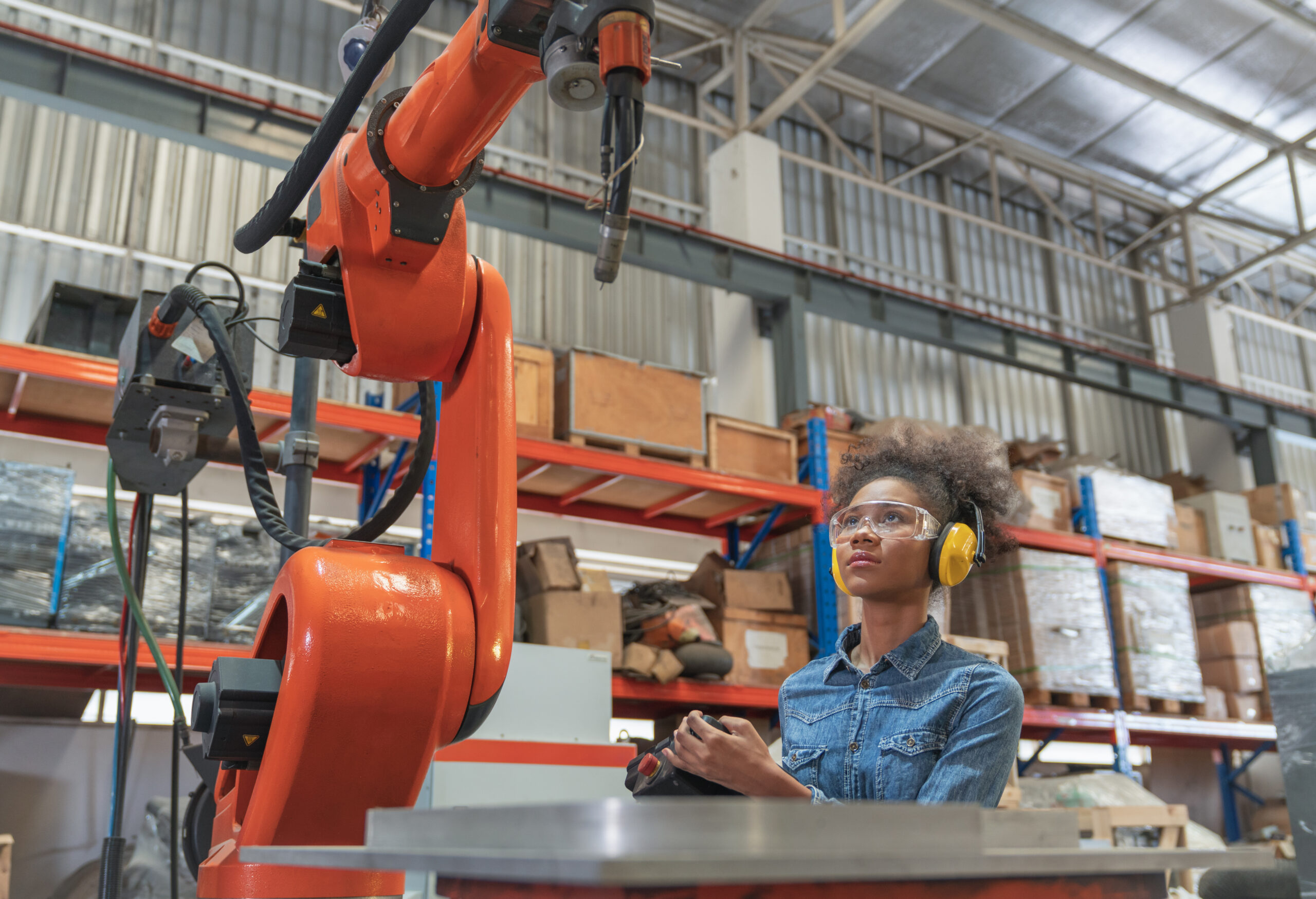
Warehouse robotics moved from pilot programs to production-scale deployment remarkably quickly. Industry analysis shows that 79% of warehouses plan to deploy some form of robotics by 2026, with autonomous mobile robots proving their value handling repetitive transport work that contributes heavily to worker fatigue and turnover.
These aren’t fixed conveyor systems requiring massive infrastructure investments. Modern autonomous mobile robots navigate warehouse floors using onboard sensors and real-time mapping, working safely alongside human staff and adapting to layout changes without reprogramming. For CPG operations handling dozens of product SKUs with constantly shifting order profiles, this flexibility makes automation practical rather than constraining.
The robots excel at tasks that warehouse managers traditionally struggled to staff consistently. They move pallets from receiving to storage, shuttle picked orders to packing stations, and handle returns processing with consistent attention regardless of time or shift length. This frees warehouse staff to focus on work requiring human judgment: quality control inspections, equipment troubleshooting, and customer service when orders need special handling.
The business case improved as Robotics-as-a-Service models spread deployment costs across predictable monthly payments. This pricing structure brought advanced automation within reach of mid-sized distribution centers, not just massive facilities operated by major retailers.
Data-Driven Operations Replace Guesswork
The most fundamental shift isn’t visible in any single piece of equipment. It’s the change from operations guided by experience to operations optimized continuously through data analysis. Warehouse intelligence systems process millions of data points daily, identifying patterns human managers would never spot and recommending optimizations that incrementally improve performance.
Real-time visibility replaced periodic reports. Internet of Things sensors track inventory movement, monitor temperature-sensitive products continuously, and trigger immediate alerts when anything deviates from specifications. For beverage distributors managing refrigerated products or food brands with strict freshness requirements, this constant monitoring prevents expensive losses from undetected problems.
Data creates competitive advantages across every aspect of operations:
- Route optimization that adjusts for traffic conditions and delivery windows
- Inventory positioning across multiple facilities based on regional demand patterns
- Labor scheduling aligned with predicted order volume rather than historical averages
- Carrier selection that balances cost, speed, and reliability metrics
- Exception management that flags potential delays before they impact customers
Cloud-based warehouse management systems tie all this data together into actionable intelligence. They integrate information from inventory systems, robotics controllers, transportation platforms, and customer order management tools. Then machine learning algorithms analyze these combined data streams to identify optimization opportunities and generate recommendations that operations teams can implement immediately rather than waiting for quarterly reviews.
West Coast Operations Benefit from Technology Integration
Geographic advantages still matter enormously, but technology determines how effectively those advantages translate into customer value. Southern California sits closest to the Asian ports supplying CPG brands. Phoenix provides central Southwest access to growing markets across multiple states. These location benefits are real, but static—every competitor in the region shares them.
Technology multiplies geographic advantages. Consider the complete path from Asian port to retail shelf across the western United States. AI-powered route optimization cuts transportation costs at every segment, while automated inventory systems ensure containers don’t sit idle waiting for manual processing after customs clearance. When warehousing, packaging, and transportation all operate through integrated technology platforms, the coordination delays that plague multi-vendor operations disappear.
For CPG brands evaluating West Coast distribution, the question isn’t whether to prioritize location or technology. Both determine competitiveness. The winning combination pairs strategically located facilities with operational systems sophisticated enough to extract maximum value through faster processing, better inventory management, and real-time visibility.
Sustainability Through Operational Efficiency
Environmental benefits emerged as a secondary outcome of efficiency-focused automation. Route optimization that reduces transportation costs also cuts fuel consumption. Demand forecasting that prevents inventory waste also minimizes disposal of expired products. Better inventory management that eliminates expedited shipments simultaneously reduces carbon emissions.
This alignment between operational efficiency and environmental performance makes sustainability initiatives easier to justify. Technologies that reduce costs typically reduce environmental impact simultaneously, allowing CFOs to approve investments that improve margins while environmental benefits come along without requiring separate business cases.
Frequently Asked Questions
How quickly can AI improve warehouse forecasting accuracy?
Most operations see measurable improvements within 90 days as machine learning algorithms accumulate data and refine predictions. The systems become more accurate over time, with many warehouses reporting 30-40% improvement in forecast accuracy within the first year of implementation.
What’s the difference between autonomous mobile robots and automated guided vehicles?
Automated guided vehicles follow fixed paths using magnetic strips or sensors embedded in the floor. Autonomous mobile robots navigate dynamically using onboard sensors and real-time mapping, allowing them to work safely alongside people and adapt to layout changes without infrastructure modifications.
Do smaller CPG brands have access to these technologies?
Yes. Robotics-as-a-Service models and cloud-based warehouse management systems spread costs across predictable monthly payments rather than requiring large capital investments. Many 3PL providers now offer these technologies as part of their standard service packages, making them accessible to brands of all sizes.
How does warehouse automation handle temperature-sensitive food and beverage products?
Modern automated systems integrate with temperature monitoring sensors to maintain cold chain integrity. Robots designed for refrigerated environments can operate in temperature-controlled zones, while AI systems track exposure time and flag potential quality issues before products ship.
What certifications work with automated warehouse systems?
GMP, BRC, and Organic certifications apply to automated facilities the same way they apply to traditional warehouses. The technology actually supports compliance by providing detailed tracking, reducing human handling that can introduce contamination risks, and maintaining consistent environmental controls.
Can automation integrate with existing warehouse management systems?
Cloud-native warehouse management systems feature standardized APIs that simplify integration with robotics, AI tools, and IoT sensors. This flexibility allows operations to add automation incrementally rather than requiring complete system replacements, reducing implementation risk and cost.
Technology Creates Competitive Advantages
The logistics industry crossed a threshold it won’t recross. Operations won’t return to manual processes and experience-based decision-making. AI, automation, and data-driven optimization became essential infrastructure. The question for CPG brands is whether to work with providers who invested early and already refined their systems through operational learning, or wait for providers still climbing the adoption curve.
Food and beverage distribution adds complexity that technology enhances rather than eliminates. Products still require specialized certifications, temperature control demands constant attention, and retail delivery windows keep compressing. The most effective operations combine advanced systems with human expertise, using automation to handle repetitive tasks with perfect consistency while staff focus on quality control, problem-solving, and customer service.
For brands evaluating 3PL partners across Southern California and Phoenix, technology infrastructure deserves equal consideration alongside certifications and geographic coverage. States Logistics Services, Inc. offers integrated warehousing, transportation, and packaging services supported by robotics, in-house IT capabilities, and technology-forward operations designed for CPG brands requiring both operational excellence and genuine service.