By Jesse Sevilla
For brands with more than one flavor to their name, a rainbow pack feels like a no-brainer. The execution is another story, and worth understanding before you commit. This guide breaks it down.
What You’ll Learn:
- What rainbow packs, variety packs, and promo bundles are and how they differ
- The logistics behind variety pack kitting and why it’s more involved than it looks
- How to evaluate whether this format fits your product and your audience
- What retail and channel requirements affect how these packs get built
- The questions to ask a 3PL before you commit to a kitting program
The Terms Worth Knowing
The terminology around this category is not always consistent, so a shared vocabulary helps.
Rainbow pack: A multipack containing multiple flavors or variants of the same product, typically in the same size and format. Common in beverages, snacks, and confectionery.
Variety pack: Often used interchangeably with rainbow pack, though some brands use it more broadly to include different product types within one package, not just different flavors of the same item.
Promo bundle: A limited-run multipack built for a specific purpose: a seasonal promotion, a retail display, a club store launch, or a new product introduction. Usually built to a defined window.
Display-ready packaging: Packaging built to go from a pallet directly onto a retail shelf or floor display without additional handling. Club stores and big-box retailers often require it, which adds structural and labeling requirements to the kitting process.
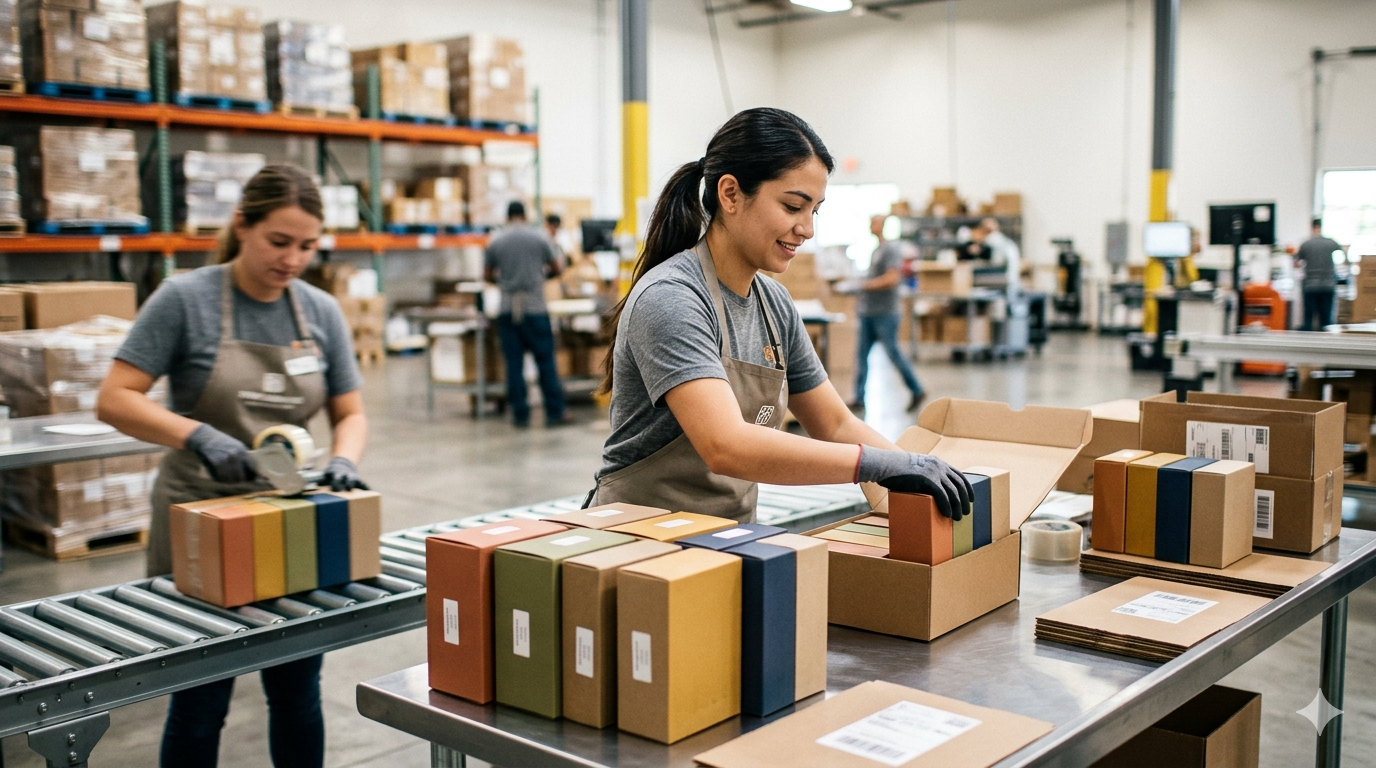
Kitting: The operational process of assembling individual SKUs into a finished bundle. Whether you’re building 500 holiday gift sets or 50,000 variety 12-packs, kitting is the labor and process layer that makes it happen.
Your Variety Pack Won’t Kit Itself
Variety pack kitting sounds simple until you’re looking at the actual requirements. For a rainbow pack in the beverage category, you’re coordinating inventory across multiple flavors, often in separate production runs with different lot numbers. Each unit gets picked, assembled into the outer packaging, labeled, and prepared for the channel it’s going into. If that channel is a club store, there are structural requirements for the case and specific label placements that have to be met before the product is accepted. Variety packs have become a key growth format for brands moving into club and value channels, and the execution bar has moved up alongside the demand.
The complexity increases for short-run programs. A limited-edition promo bundle built for a six-week retail window requires setup, execution, and breakdown within a tight timeline. That is a different operational challenge than running a steady-state variety pack year-round.
Factors That Drive Timeline and Cost
- SKU count: More flavors or variants means more inventory to coordinate and more opportunity for mix errors at assembly
- Run size: Short-run kitting costs more per unit than high-volume runs
- Outer packaging: Custom shrink wrap, display-ready cases, and club store trays all add steps and materials
- Lead time: Most 3PLs need two to four weeks of setup time for a new kitting program, more if custom packaging is involved
States Tip: Have all component inventory at the 3PL facility before your kitting start date, not arriving the same week. Assembly timelines slip when components arrive in stages, and short-run programs rarely have buffer time to absorb it.
Is This Format Right for Your Brand?
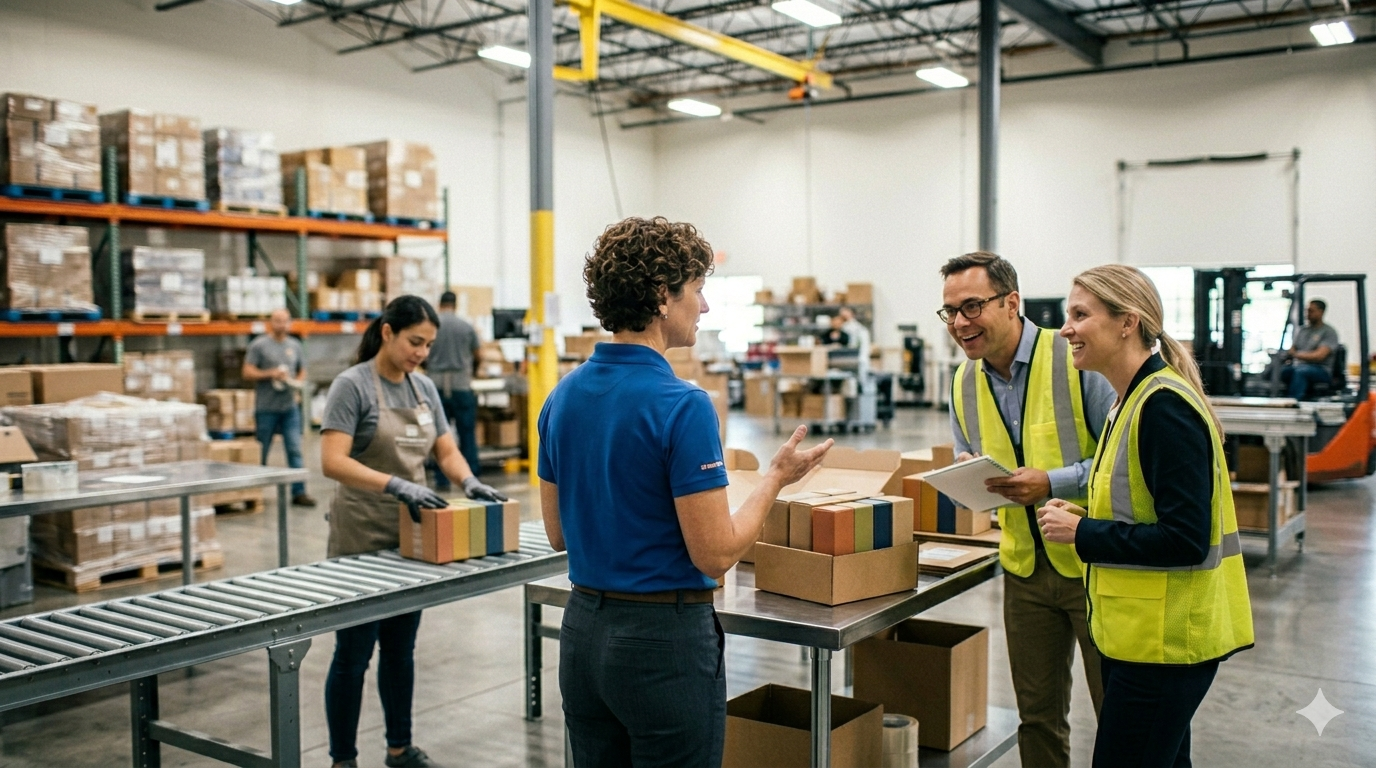
Not every product is a natural fit for a rainbow pack or promo bundle. Does your line have enough flavors or variants to make a variety pack feel worthwhile to the shopper? A two-flavor lineup makes a thin rainbow pack. Are your units consistently sized and formatted? Does your packaging hold up to the picking and bundling process without damage? These are the product-side questions to answer before anything else.
Channel fit matters just as much. Club store shoppers buy in bulk and expect variety, making a well-built variety pack a natural entry point for those accounts. DTC and gift shoppers respond well to promo bundles, especially for seasonal or limited-edition products. Grocery retail is more format-specific. Confirm with your buyer what they will accept before building the pack. Pack format strategy has become one of the primary ways CPG brands compete across channels with different shopper expectations at each one.
Before You Commit to a Kitting Partner
Not every 3PL is set up for variety pack kitting. These are the questions that separate a capable partner from one that will figure it out as they go. Use the table below as your starting checklist when you’re evaluating a 3PL for kitting and packaging services.
| Question to Ask | What to Look For |
|---|---|
| Do they kit on-site? | Assembly and storage under one roof. Outsourcing kitting adds handoffs, lead time, and another variable. |
| What’s their channel experience? | Familiarity with your buyer’s compliance requirements. Club, DTC, and grocery each have different specs. |
| Can they handle short runs? | Defined minimums and experience running window-based programs, not just steady-state volume. |
| How do they verify quality? | A documented mispack process at assembly. A wrong flavor in the wrong slot is a customer service problem. |
| Do they hold food-grade certifications? | GMP, BRC, or Organic coverage in the kitting area specifically. Certifications for storage only do not count. |
| What’s the lead time for a new program? | Two to four weeks is standard for setup. More if custom packaging or tooling is involved on their end. |
Getting Started with Rainbow Packs and Promo Bundles
Building a rainbow pack or promo bundle is an operational commitment, not just a packaging decision. Variety pack kitting requires real capabilities: on-site assembly, food-grade certifications where relevant, retail compliance experience, and a team that can run short-window programs without turning each one into a production emergency.
For CPG food and beverage brands distributing across Southern California and Phoenix, States Logistics Services, Inc. offers kitting, packaging, and labeling services across 13 facilities with GMP, BRC, and Organic certifications, alongside the regional transportation infrastructure to move finished goods once they’re built.
Frequently Asked Questions
What’s the difference between a rainbow pack and a variety pack?
The terms are often used interchangeably. A rainbow pack specifically refers to a multipack with multiple flavors of the same product in the same format. A variety pack can mean the same thing or describe a broader assortment of different product types within one package. In practice, both involve the same variety pack kitting process and operational considerations.
How much does variety pack kitting cost?
Kitting costs vary based on run size, SKU count, outer packaging type, and assembly labor. Short runs and custom packaging cost more per unit than steady-state, high-volume programs. Get a quote from a 3PL with the specific details of your program: number of components, finished pack format, run size, and timeline.
How far in advance do I need to plan a promo bundle?
Plan for a minimum of four to six weeks from kickoff to finished goods ready to ship. That covers 3PL setup, component inventory arriving at the facility, assembly, quality control, and outbound preparation. Programs with custom outer packaging or retail compliance requirements need more runway.
What does display-ready packaging mean and why does it matter?
Display-ready packaging is built to move from a pallet directly onto a retail floor display without additional handling at the store. Club stores and mass retailers often require it, and specifications are retailer-specific. Your 3PL needs to know those requirements before building the pack, not after.
Can a 3PL handle food-grade kitting?
Some can and some cannot. Food-grade kitting requires certifications like GMP, BRC, or Organic that apply to the handling and assembly area specifically, not just product storage. If your product falls under these requirements, confirm the 3PL holds the relevant certifications for kitting operations before committing.
What channel is best for launching a variety pack?
Club stores are a natural fit because the format aligns with bulk purchase behavior. Grocery retail works well for brands with existing shelf placement adding a multipack option. DTC is a solid testing ground for promo bundles before committing to a retail program, since smaller runs are easier to manage and feedback comes faster.