By Ryan Donovan
CPG brands shipping through West Coast ports face a persistent challenge. Containers arrive carrying craft beer from Asian breweries, organic ingredients from specialty suppliers, and confectionery products destined for retail shelves across the western United States. These products need rapid processing to meet tight delivery windows, yet traditional warehouse operations rely heavily on manual labor that creates bottlenecks during peak periods and exposes products to handling damage.
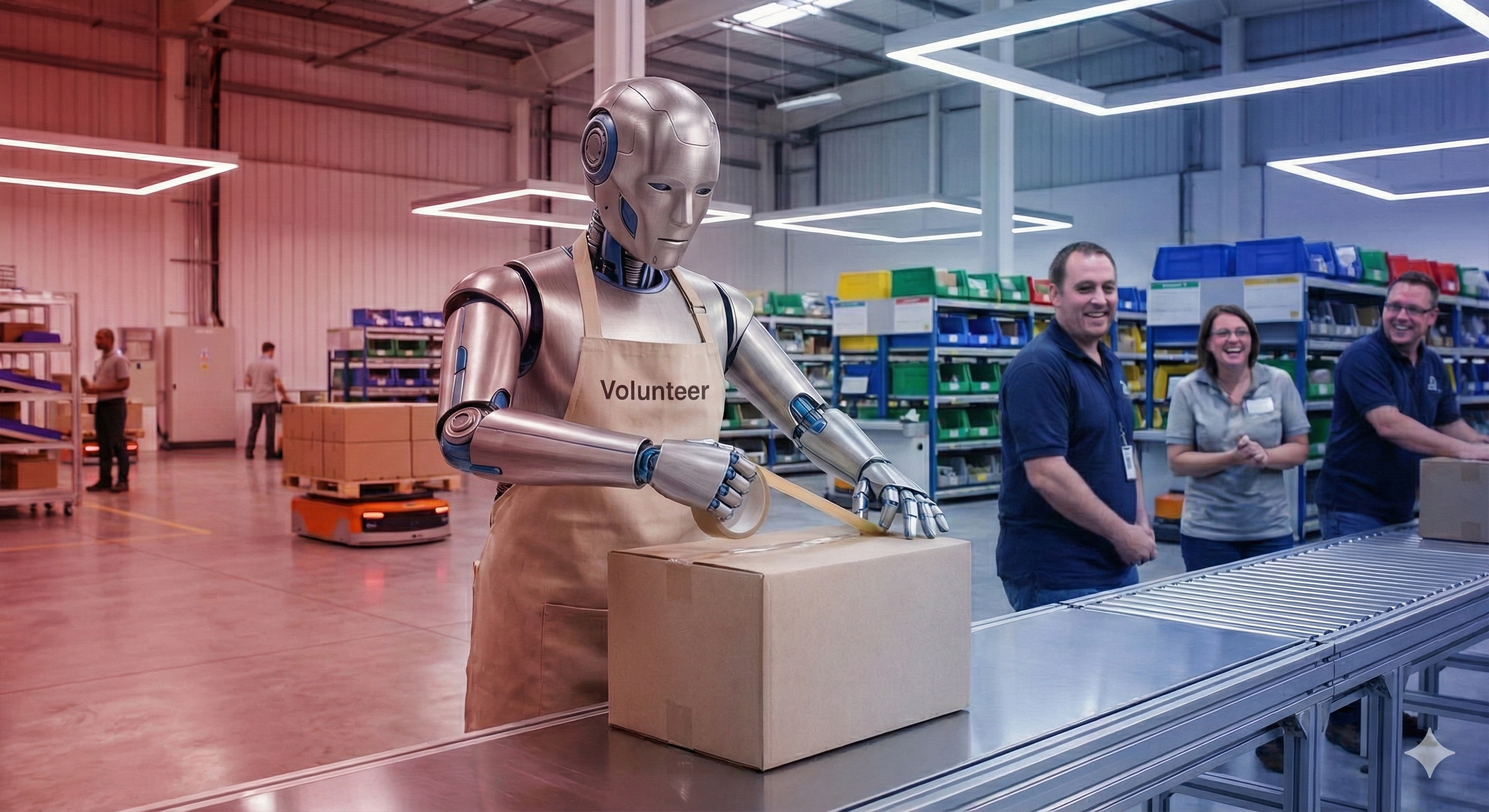
Robotics are changing these operations fundamentally. Autonomous forklifts navigate warehouse floors without operators. Robotic systems unload containers in half the time with dramatically lower damage rates. Inventory tracking happens continuously through integrated platforms that eliminate the discrepancies between physical counts and system records. These technologies are operational now at facilities that invested in automation before competitors recognized its necessity.
What You’ll Learn:
- How robotic container unloading reduces processing time and product damage
- Why West Coast geography amplifies the benefits of warehouse automation
- How integrated 3PL services maximize technology advantages for CPG brands
- What certifications matter when choosing an automated food-grade warehouse
- The future of robotics and AI in CPG fulfillment operations
Why West Coast Warehouses Need Automation
The ports of Los Angeles and Long Beach process over 40% of containerized imports entering the United States, handling more than 17 million TEUs annually according to port authority statistics. Southern California warehouses receive enormous inbound volume of Asian food products, beverages, specialty ingredients, and consumer packaged goods that must clear customs, store properly, and distribute quickly to retailers across multiple states.
Manual handling struggles with this pace. Traditional container unloading requires 4 to 6 hours per 40-foot container using human crews. Forklift operators move pallets at careful speeds to maintain safety standards. Inventory reconciliation happens at shift end, creating delays in reporting accurate stock levels to brands. When seasonal peaks hit or promotional campaigns drive volume surges, these manual processes become serious operational constraints.
Phoenix adds distribution complexity as a Southwest logistics hub. Warehouses there serve retailers across Arizona, Nevada, New Mexico, and portions of California and Texas. Products need processing speed that supports 24 to 48 hour delivery commitments to Big Box retailers. Automation makes these timelines realistic even during high-volume periods when manual operations would fail.
Four Ways Robotics Transform CPG Warehousing
1. Container Unloading Speed and Accuracy
Robotic unloading systems identify cases through vision technology, grip them with adjustable pressure based on product type, and move them to pallets with consistent placement that prevents shifting and damage. A robotic system completes a 40-foot container in 2 to 3 hours compared to the 4 to 6 hours manual crews require. The speed advantage compounds across dozens of daily container arrivals.
Product damage drops significantly. Manual unloading involves repetitive lifting that leads to fatigue and occasional drops or rough handling. Robotic systems maintain consistent technique regardless of shift length or work pace. Facilities using robotic unloading report damage rates below 0.1% versus the 0.3% to 0.5% typical in manual operations.
2. Real-Time Inventory Accuracy
When robotic equipment moves product, those movements register immediately in inventory management software. Every pallet placement, retrieval, and shipment updates the system in real time. This continuous tracking eliminates the discrepancies that plague warehouses relying on periodic manual counts.
CPG brands get accurate inventory visibility 24 hours per day. Real-time data enables better demand forecasting, reduces safety stock requirements, and prevents the stockouts that damage retailer relationships. Brands can commit to orders with confidence that inventory records reflect actual product availability.
3. Temperature-Controlled Precision
Food and beverage products often require specific temperature ranges. Craft beer needs consistent cool storage. Organic ingredients have strict temperature requirements to maintain certifications. Confectionery items require climate control to prevent melting or quality degradation.
Robotic systems place products in designated temperature zones without the human error that occasionally sends items to wrong storage areas. Sensors monitor conditions continuously and alert staff immediately when temperatures drift outside acceptable ranges. This precision helps maintain product quality and supports compliance with food safety regulations.
4. Integrated Service Efficiency
Robotics deliver maximum value when warehouses provide integrated services under one roof. Consider a craft beverage brand launching variety packs. Containers arrive at Southern California ports carrying aluminum cans from Asian suppliers. The warehouse unloads them robotically, stores them in temperature-controlled zones, pulls multiple SKUs for packaging operations that build variety packs, applies retail-specific labels, and loads finished goods on trucks for regional distribution.
States Logistics operates 13 facilities across Southern California and Phoenix with this integrated model, combining food-grade certifications (GMP, BRC, and Organic) with robotics, packaging capabilities, and regional transportation services. When every function happens within one facility using connected technology systems, brands avoid the delays and quality inconsistencies that occur when products move between separate vendors.
The IT Infrastructure Behind Automation
Robotics require sophisticated technology platforms to operate effectively. Many 3PLs rely on third-party software vendors or disconnected systems that limit customization and slow problem resolution. Facilities with dedicated IT departments can tailor solutions to specific operational needs, troubleshoot issues immediately when equipment malfunctions, and integrate new technology as manufacturers release updates.
This IT capability matters when brands need custom integrations with their own order management or ERP systems. On-site technical teams can build those connections quickly rather than waiting for external vendors to schedule implementation work. The result is faster onboarding for new customers and more responsive support for existing accounts.
What’s Next in Warehouse Technology
Current robotics excel at defined, repetitive tasks. The next generation will handle more complex challenges. Computer vision systems are learning to assess product condition, identify packaging defects, and sort mixed SKUs without human verification. Collaborative robots (cobots) work alongside people for tasks requiring both human judgment and robotic precision. Machine learning algorithms predict equipment maintenance needs before failures occur.
Sustainability drives innovation alongside efficiency. Electric autonomous equipment reduces warehouse emissions and operates more quietly than diesel-powered alternatives. Energy-efficient robotics consume less power per unit moved than manual operations while increasing throughput. These environmental practices align with CPG brands’ sustainability commitments and help meet retailer requirements for green supply chains.
Companies with 67 years of CPG logistics experience recognize that technology adoption reflects long-term operational philosophy, not short-term trend following. The warehouses investing in robotics, sustainable practices, and integrated services today are building the competitive foundation for the next decade of industry evolution.
Frequently Asked Questions
How quickly can robotic systems process incoming containers?
Modern robotic unloading systems complete a standard 40-foot container in 2 to 3 hours with damage rates below 0.1%. This compares to 4 to 6 hours for manual crews with typical damage rates of 0.3% to 0.5%. The speed advantage helps warehouses maintain tight turnaround times even during peak import periods.
What happens when robotic equipment needs maintenance or repairs?
Warehouses with on-site IT departments typically resolve most robotic system issues within hours rather than the days required when depending on external vendors. Preventive maintenance schedules minimize unexpected downtime. Manual operations can cover critical functions temporarily during major repairs.
Do autonomous forklifts operate safely around warehouse workers?
Autonomous forklifts use multiple sensor types including lidar, cameras, and proximity detectors to identify people and obstacles. The equipment stops immediately when someone enters its path and resumes only after the area clears. Safety records at facilities using autonomous equipment match or exceed traditional warehouse operations.
Can smaller CPG brands benefit from warehouse automation?
Yes. Automation speeds processing regardless of volume levels. A startup beverage company moving 500 cases monthly receives the same careful handling and accurate inventory tracking as established brands shipping 50,000 cases. The efficiency gains help maintain reasonable costs even at lower volumes.
What certifications should CPG brands require from automated warehouses?
Food and beverage products require warehouses holding GMP (Good Manufacturing Practices), BRC (Brand Reputation through Compliance), and Organic certifications when relevant. Automation doesn’t replace these compliance requirements. Technology makes meeting certification standards more consistent through better documentation, traceability, and environmental control.
How does West Coast location enhance the value of warehouse automation?
Proximity to the ports of Los Angeles and Long Beach means Asian imports reach Southern California warehouses faster than other U.S. regions. Automated processing captures this geographic advantage by turning containers around quickly, reducing dwell time, and accelerating distribution to retailers across western states. Phoenix provides additional distribution reach into Southwest markets with similar speed benefits.
Moving Forward with Technology-Enhanced Fulfillment
Robotics and warehouse automation represent fundamental changes in what modern 3PLs can deliver for CPG brands. Faster container processing enables tighter inventory management. Improved accuracy reduces costly errors and chargebacks. Enhanced safety creates more stable operations with consistent staffing. Real-time data visibility supports better business decisions.
West Coast 3PLs offering integrated warehousing, packaging, and transportation services within automated facilities give CPG brands genuine operational advantages. The facilities embracing these technologies today while maintaining food-grade certifications and sustainable practices will define competitive standards for the next generation of CPG fulfillment.
Interested in bringing this level of automation to your supply chain? Reach out and we’ll walk you through what it could look like for your brand.