By Jesse Sevilla
Imagine you just landed a purchase order from a major grocery chain, and the whole team is ready to celebrate a real shot at shelf space. Then the routing guide hits your inbox, and the 3PL for CPG you pick suddenly matters as much as the product you’re selling.
That guide covers everything from carton labels and pallet builds to the exact window your truck has to hit. Miss a rule and the retailer simply pays you less. Commonly cited industry estimates put chargebacks on 5% to 15% of supplier invoices, costing suppliers 2% to 10% of revenue. On $2 million in retail sales, even the low end of that range is $40,000 a year. The catch is that most of those mistakes start on the warehouse floor, which puts your 3PL in charge of whether you keep the margin.
Quick Answer
To find the best 3PL for CPG retail distribution, look for a partner that turns each retailer’s routing guide into checks on the warehouse floor. That means labels and ASNs built from packing scans, pallets verified before loading, and control over delivery appointments. Food and beverage brands also need GMP and BRC certification, FEFO picking, and organic certification for organic SKUs.
What You’ll Learn:
- What a 3PL for CPG should handle once your product is headed to a retailer’s distribution center
- Why a working EDI connection doesn’t mean your shipments are compliant
- Which retail compliance mistakes trigger chargebacks and what stops them
- What food and beverage brands need on top of standard retail compliance
- The questions that separate a retail-ready 3PL from one that’s learning on your dime
1. What Should a 3PL for CPG Actually Do for Retail?
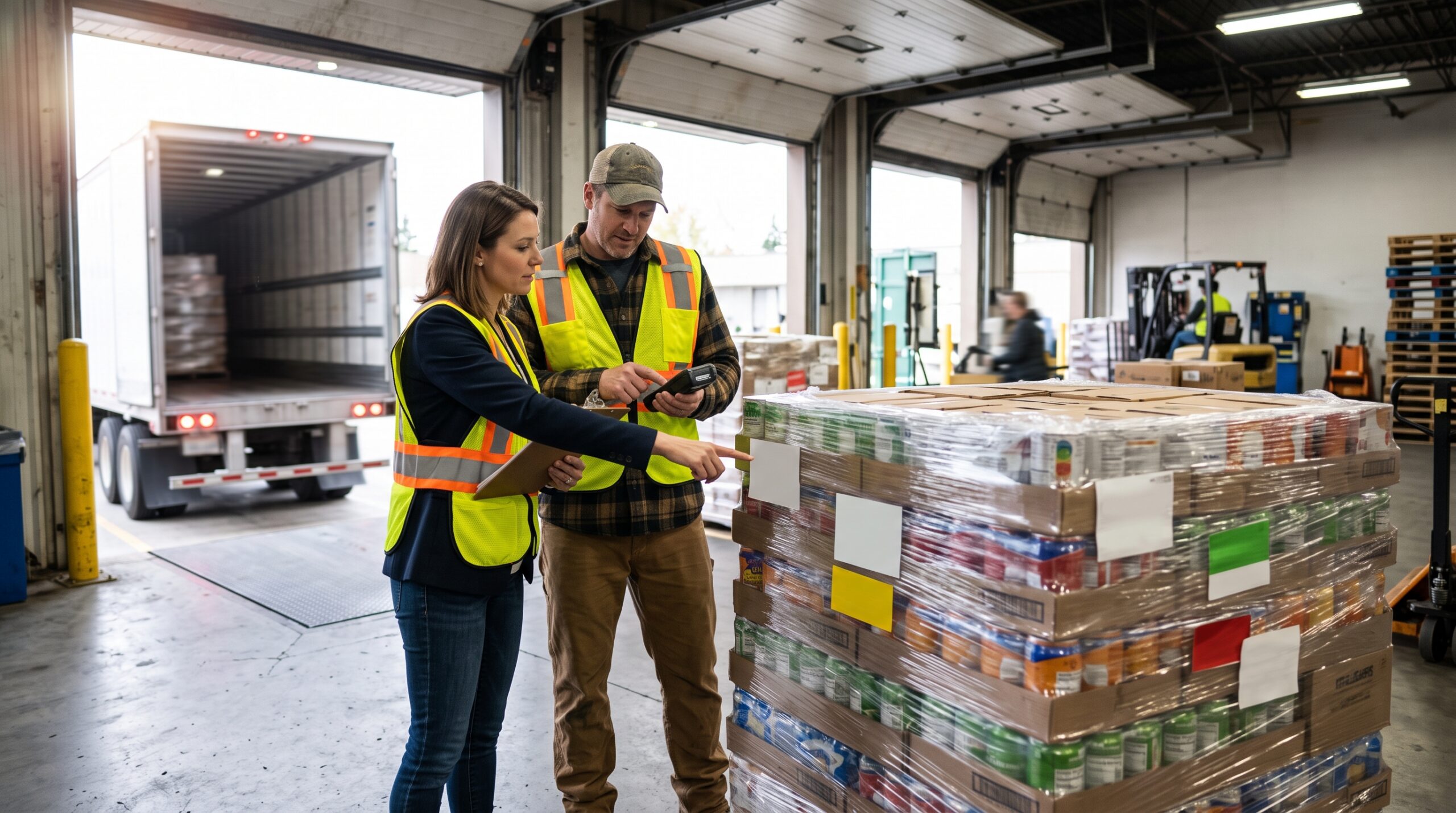
Its job is to turn every retailer’s routing guide into daily habits on the warehouse floor. Shipping to a retailer’s distribution center has almost nothing in common with shipping parcels to consumers. The DC wants pallets built to spec, GS1-128 carton labels (often still called UCC-128) that scan the first time, and an ASN that matches what’s on the truck. It also wants that truck inside its appointment window.
A 3PL built for ecommerce can be great at pick and pack and still get lost at retail. Every retailer writes its own rules, and those rules change. You want a partner that tracks those updates and builds them into the pick ticket, not into somebody’s memory.
States Tip
Ask any 3PL you’re considering which retailers they ship to every week, then ask how they track compliance for those accounts. A 3PL that’s doing this right will have the numbers ready.

2. How to Tell if a 3PL for CPG Can Handle Retail Compliance
Common misconception: an EDI-certified 3PL is a compliant 3PL. A working EDI connection only proves the data can move, and it’s where a lot of 3PL sales pitches stop. A September 2026 study of 39 chargeback cases from one 3PL’s compliance program found the trouble kept starting on the warehouse floor, not in the data. On one account, inaccurate ASNs and PO violations made up about 45% of charged deductions, even with EDI working exactly as designed. So look past the integration and ask about the checks in between:
- Labels built from what was packed: Carton labels and ASN data come from scans at packing, not from what the order says should be in the box
- Pallet checks against the routing guide: Height, configuration, and PO separation get verified before the truck backs in
- A pre-ship exception check: Count mismatches, bad labels, and out-of-window ship dates get caught before the load leaves
- Root-cause follow-up: Every deduction gets traced to the step that caused it, so it doesn’t repeat next quarter
States Tip
Ask a prospective 3PL to walk you through their last chargeback. You don’t need the dollar amount. You want to hear what caused it and what they changed afterward.
3. What Do Food and Beverage Brands Need From a 3PL?
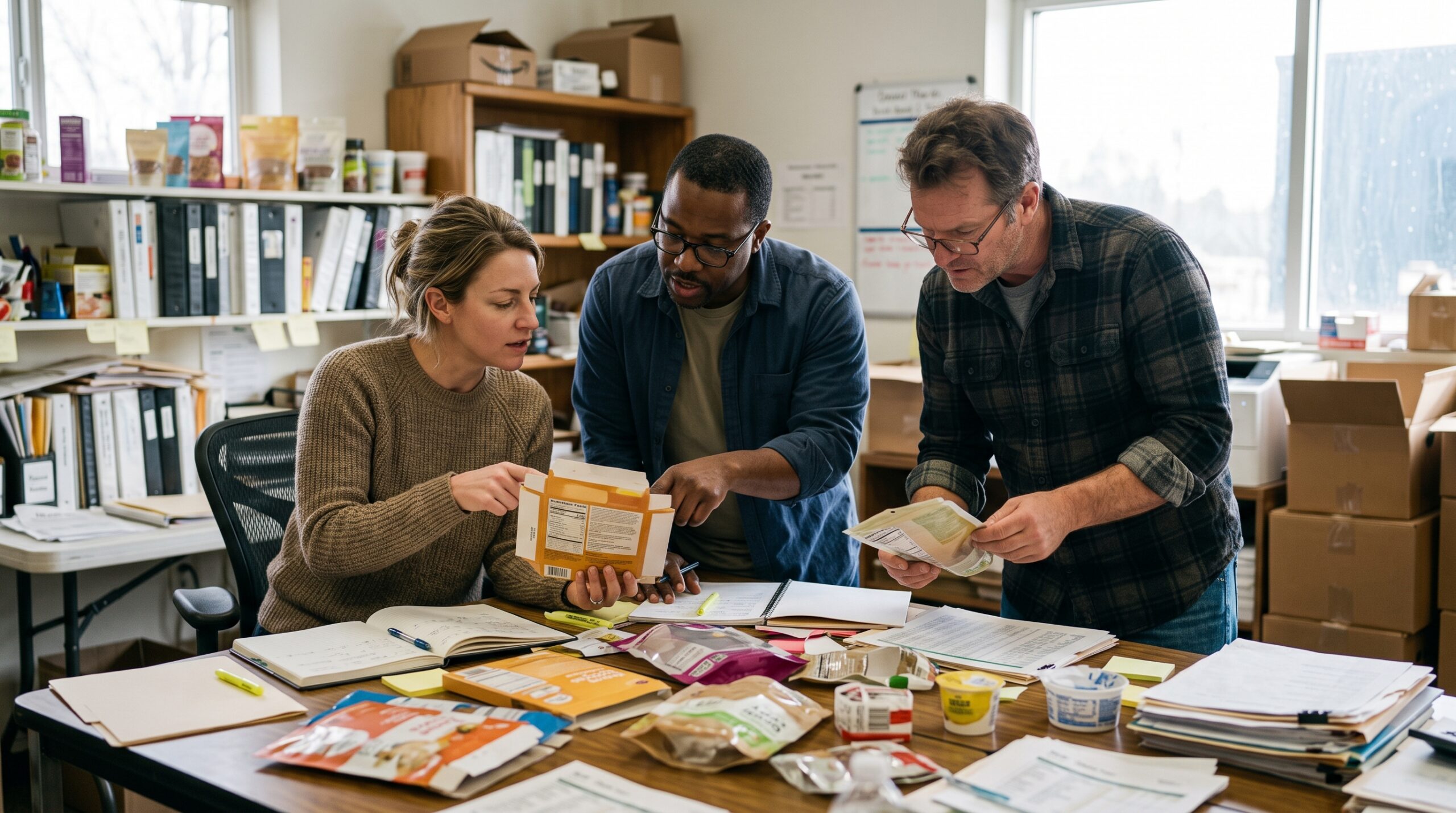
Food and beverage brands answer to two rulebooks: the retailer’s, and the one that keeps product safe. GMP is the baseline, many major retailers require BRC, and organic SKUs need a 3PL with its own organic certification. Date codes matter too. Many grocery retailers set a minimum remaining shelf life at receiving, so your WMS needs to pick by FEFO (first expired, first out).
Beverages add weight to the problem, literally. A pallet of canned drinks or wine hits its weight limit before its height limit, so pallet builds have to satisfy the retailer and the truck. The table below shows common chargebacks, what causes them, and what should be in place to stop them.
| Chargeback | What Usually Causes It | What Should Be in Place |
|---|---|---|
| Late or inaccurate ASN | ASN sent from order data instead of what shipped | ASN built from packing scans |
| Unscannable label | Labels applied without verification | Scan check on every case |
| Wrong pallet configuration | Mixed POs or over-height pallets built in a rush | Retailer pallet specs checked at staging |
| Missed delivery appointment | Late pickups or no carrier capacity at peak | Carrier control and appointment tracking |
| Short-dated product refused | Picking by location instead of expiration date | FEFO picking driven by the WMS |
4. On Time Means Inside the Window
At retail, on time means inside the appointment window, not close to it. Retailers grade suppliers on OTIF (on-time in-full), and some, including Walmart, count early deliveries as misses too. A truck that shows up a day early with a perfect load can still cost you.
This is where your 3PL’s transportation setup earns its keep. Its own trucks give it control over pickups and drivers on regional lanes, while brokerage covers everything else. Brands working with only one of those feel it at peak, when capacity tightens and appointments fill up. A strong regional transportation partner gives you both.
States Tip
Ask who actually books the DC appointment and who gets the call when a truck is running late. If nobody can answer that cleanly, your OTIF score is up for grabs.
5. Questions to Ask Before You Sign With a 3PL for CPG
A facility tour and a sales deck only tell you so much. These questions get at whether a 3PL can actually execute at retail:
- Which retailers do you ship to every week? Regular, recent experience beats a logo on the website
- A retailer just deducted $3,000 for bad labels. What happens next? Listen for who investigates, who calls you, and what changes on the floor
- Who owns routing guide updates? Retailers change their rules, and somebody needs to catch it first
- Can you build retailer-specific packs in-house? Handing kitting to another vendor adds handoffs
- Who pays when your mistake causes a chargeback? Get it in the contract before the first PO ships
- What certifications does your warehouse hold? For food-grade warehousing, ask about GMP, BRC, and organic, then ask for audit results
Don’t Let Chargebacks Find You First
Landing the retail PO is the fun part. Keeping the margin is the hard part, and the best 3PL for CPG brands handles it with clean labels, accurate ASNs, and pallets that hit the window week after week. Pick wrong, and the retailer will let you know one deduction at a time.
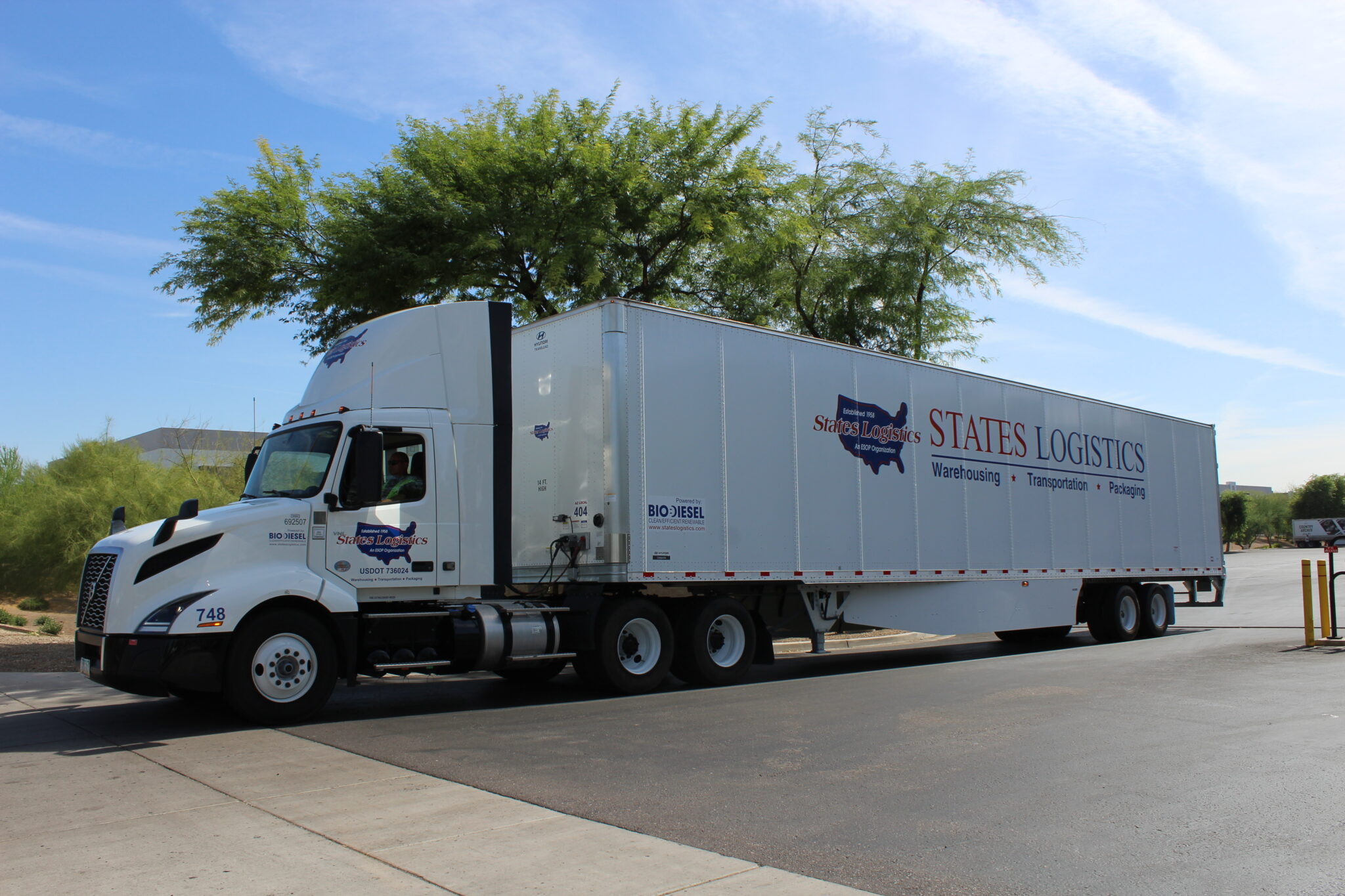
For food and beverage brands shipping into retail across Southern California and Phoenix, States Logistics Services, Inc. operates 13 facilities with GMP, BRC, and Organic certifications. Its own regional fleet runs 24-hour delivery on LA and Phoenix metro lanes, backed by an in-house IT team.
Frequently Asked Questions
What is a 3PL for CPG?
It’s a third-party logistics provider that stores, handles, and ships consumer packaged goods for brands. For retail, that includes building orders to each retailer’s routing guide, sending accurate ASNs, and hitting delivery appointments at distribution centers. Food and beverage brands also need food-grade certification and lot tracking.
What is a retail routing guide?
A routing guide is a retailer’s rulebook for suppliers. It covers carrier and routing rules, delivery windows, ASN deadlines, carton and pallet labeling, and pallet configuration. Breaking any of those rules can lead to a chargeback.
What causes retail chargebacks?
Chargebacks usually come from execution mistakes like late or inaccurate ASNs, unscannable labels, wrong pallet builds, and missed delivery windows. These problems tend to start on the warehouse floor rather than in the EDI system. A 3PL with checks at packing, staging, and pre-ship catches them before the truck leaves.
Who pays for chargebacks caused by a 3PL?
That depends on your contract. Your agreement should spell out which compliance failures are the 3PL’s responsibility and how those chargebacks get credited back to you. Settle it before the first retail order ships, not after the first deduction shows up.
What certifications should a food and beverage 3PL have?
GMP certification is the baseline for any facility handling food or beverage products, and many major retailers require BRC. If your SKUs are organic and the 3PL does any work on open product, it needs its own USDA organic certification. FDA food facility registration is also standard for warehouses that hold food.