By Eric Monson, VP of Operations
Your organic certification doesn’t stop at the production floor. Under USDA National Organic Program regulations, every operation in your supply chain that handles your product must meet federal organic handling standards. That includes your 3PL. Pick the wrong one and you’re putting years of compliance work at risk.
The March 2024 Strengthening Organic Enforcement (SOE) rule made this more consequential. Operations that previously ran without certification, including certain warehouses and handlers, now face explicit requirements. Any 3PL performing value-added services on your organic SKUs, including kitting, labeling, or pick-and-pack on open product, must hold organic certification. The audit trail supporting your label has to be airtight all the way through the warehouse.
What You’ll Learn:
- What USDA NOP regulations require from the 3PLs that handle your organic product
- Which warehouse operations trigger certification requirements under the SOE rule
- What separates a capable organic certified 3PL from one that isn’t ready
- Why integrated services matter for organic brands beyond basic warehousing
- What West Coast distribution looks like for organic CPG brands importing through LA/Long Beach
Certification Doesn’t End at the Production Floor
Organic certification is typically associated with production: what goes into the product, how it’s grown, what’s applied to the land. The supply chain piece gets far less attention, usually until something fails an audit. Under 7 CFR Part 205, any operation that handles organic products in a way that could affect their organic integrity must be certified by a USDA-accredited certifying agent. For a 3PL, that means maintaining a documented Organic System Plan, passing annual third-party audits, and keeping organic product physically separated from conventional inventory at all times.
A warehouse storing sealed, intact packages without opening them may qualify for a narrow exemption. But once your 3PL picks and packs, applies a label, or kits product into a multipack, organic certification is required. Brands that skip this confirmation before signing a 3PL agreement risk their certification status, retail eligibility, and the documentation trail major retailers expect on every inbound shipment.
What an Organic Certified 3PL Actually Manages
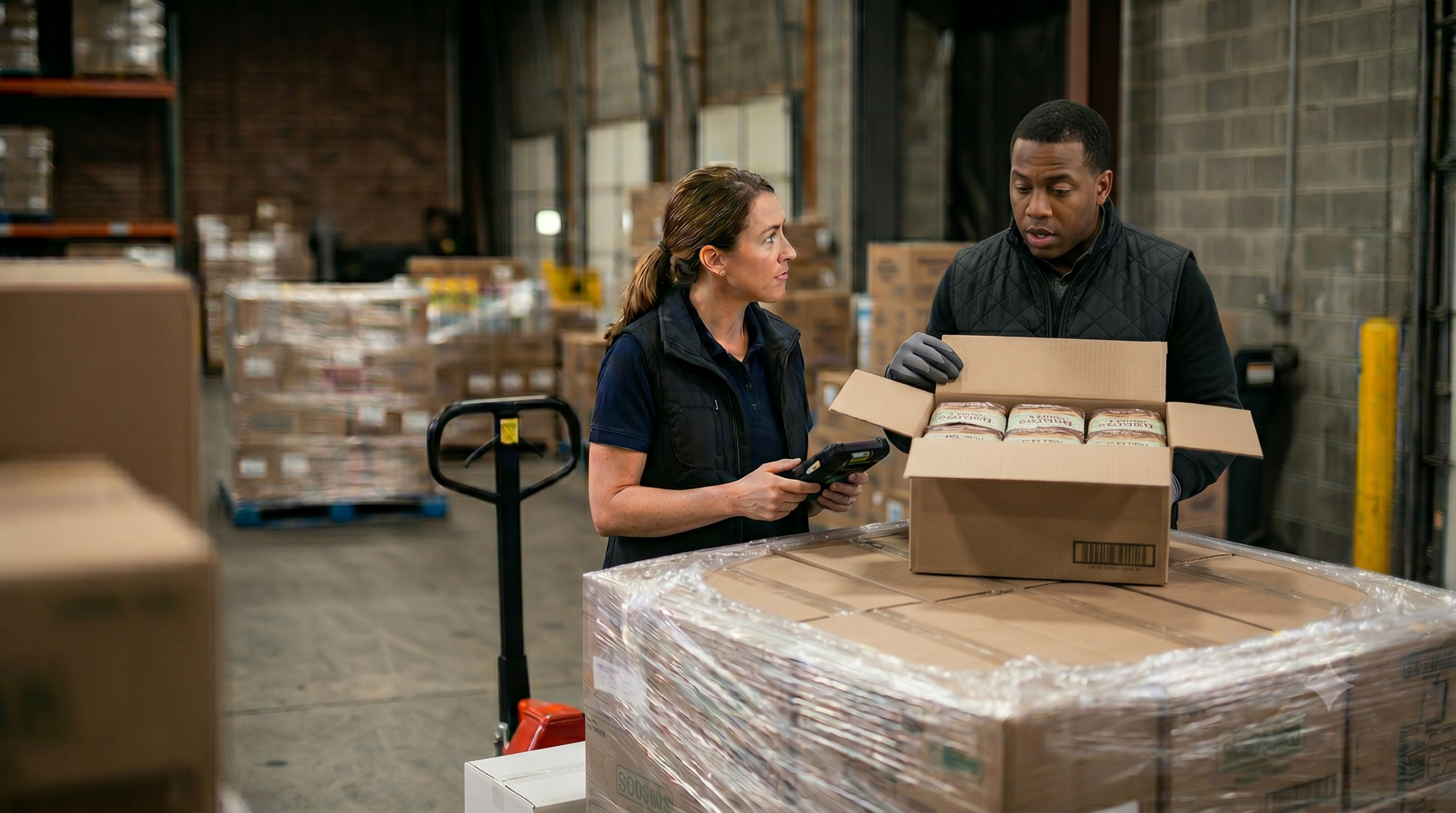
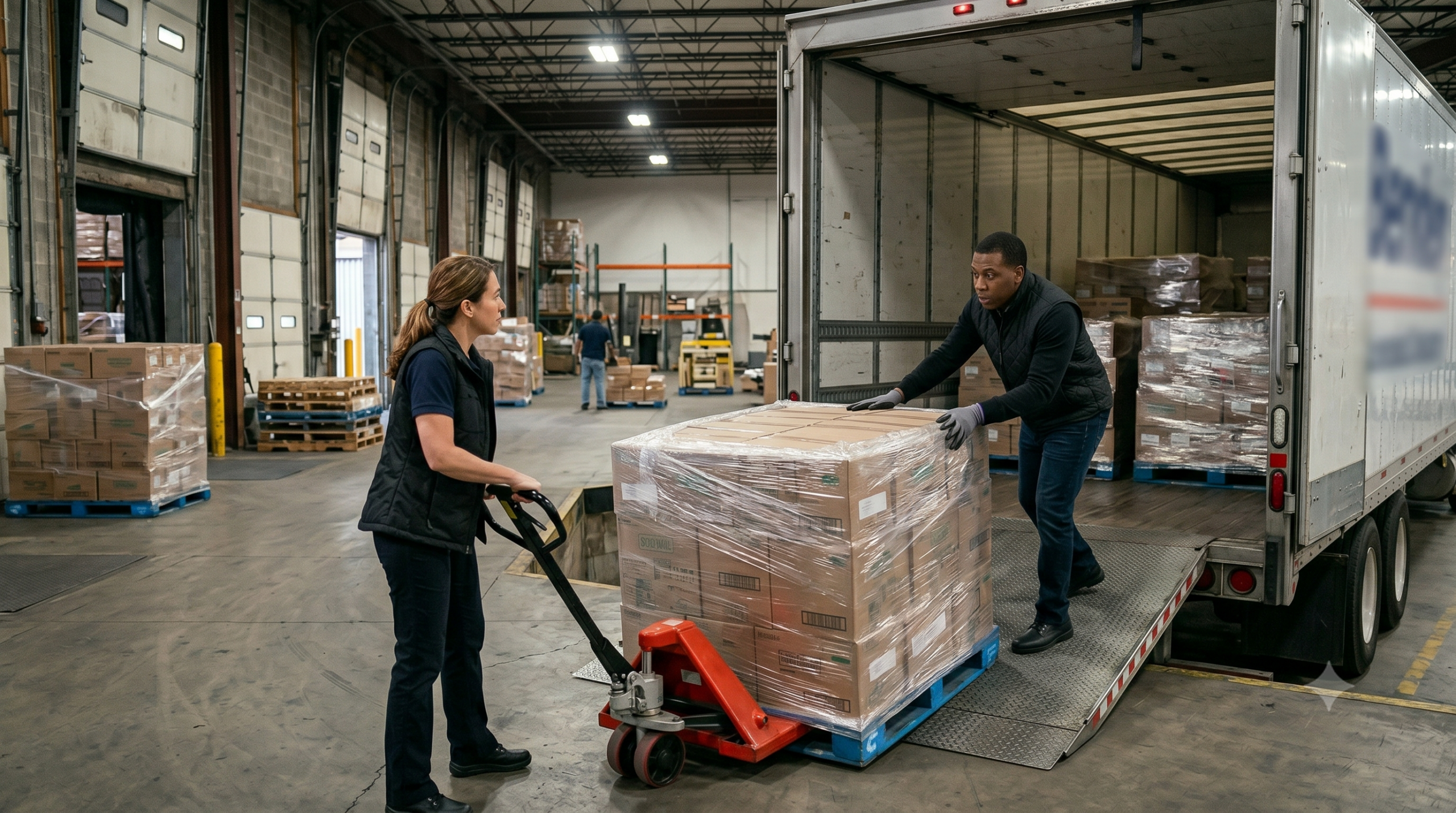
Holding the certification is a baseline. How a 3PL maintains it day-to-day is what actually protects your brand. A standard food-grade warehouse and an organic certified 3PL are not the same operation, even when they’re under the same roof.
The operational requirements that come with organic certification go well beyond storage conditions:
- Dedicated organic storage zones: Physical separation from conventional product, documented and verified at each annual audit
- Lot tracking and traceability: Full chain-of-custody documentation from inbound receipt through outbound shipment, required for retail compliance and USDA audits
- Approved inputs only: Cleaning agents, pest control products, and any materials used in the facility must appear on the USDA National List of Allowed Substances
- Current Organic System Plan: A documented operational plan maintained with a certifying agent and reviewed at each audit cycle
- Certified value-added service areas: If kitting, labeling, or repackaging happens on organic SKUs, the work area must be certified separately from general storage
States Tip: Ask for a copy of your prospective 3PL’s current Organic System Plan and their most recent audit results before signing. A provider that hesitates to share these documents is worth reconsidering.
How to Evaluate an Organic Certified 3PL
Certification confirms a 3PL cleared the compliance bar. It doesn’t tell you whether they can run your full program. Most organic CPG brands need more than warehousing: kitting, labeling, packaging, and outbound transportation all factor in. A 3PL certified for storage only that outsources everything else introduces the same coordination problems you were trying to avoid. Use the table below as your starting checklist when evaluating a partner.
| What to Ask | What to Look For |
|---|---|
| Does certification cover all service areas? | Storage-only certification doesn’t cover kitting or labeling. Confirm scope before assuming coverage. |
| What additional food-grade certifications do they hold? | GMP and BRC alongside organic certification signal a facility running to a higher standard across the board. |
| What’s their audit history? | A clean track record across multiple certification cycles matters more than a first-year certificate. |
| Can they handle your full program under one roof? | Warehousing, kitting, labeling, and transportation managed by one partner eliminates the handoffs where organic integrity is most at risk. |
| Do they have in-house technology infrastructure? | Real-time lot tracking and traceability require a WMS the 3PL owns and operates, not a system they’re renting access to. |
For West Coast Organic Brands, Location Is Part of the Equation
Most organic food and beverage brands importing ingredients from Asia move product through the ports of LA and Long Beach. A 3PL positioned in Southern California means inventory moves from port to warehouse to retail without unnecessary legs, and without additional points where your documentation chain has to stay intact. For brands with retail accounts across California, Arizona, and Nevada, a regionally positioned organic certified 3PL also supports faster replenishment cycles and tighter shelf-life management. West Coast positioning has direct implications for both speed and cost, and those implications get amplified when organic compliance requirements accompany every shipment.
Finding the Right Fit
Organic certification in the supply chain isn’t optional if your brand depends on that label staying intact. The 3PL you choose is part of your compliance posture, not separate from it. Certification scope, integrated services, technology infrastructure, and regional positioning all factor into the decision alongside price and location.
For organic food and beverage brands distributing across Southern California and Phoenix, States Logistics Services, Inc. operates 13 facilities with GMP, BRC, and Organic certifications alongside integrated food-grade warehousing, kitting, labeling, and regional transportation under one roof.
Frequently Asked Questions
Does my 3PL need to be certified organic if my products already are?
Yes, in most cases. Under the 2024 Strengthening Organic Enforcement rule, any 3PL performing value-added services on your organic SKUs, including pick-and-pack, kitting, or labeling, must hold organic certification. A warehouse storing sealed, intact packages without opening them may qualify for a narrow exemption, but most CPG programs require more than pass-through storage.
What is an Organic System Plan and why does it matter?
An Organic System Plan is a documented operational plan a certified facility maintains with its USDA-accredited certifying agent. It covers how organic products are handled, segregated, and tracked through the facility. During annual audits, inspectors verify that actual operations match the plan, making it part of the documentation trail that supports your own certification.
What’s the difference between GMP, BRC, and organic certification?
GMP covers general food safety handling standards. BRC is a retail-focused standard required by many major grocery chains. Organic certification is specific to USDA National Organic Program compliance and governs how organic product is stored, handled, and processed. A 3PL holding all three operates to a higher standard across food safety, retail compliance, and organic integrity simultaneously.
Why does regional location matter when choosing an organic certified 3PL?
For brands importing through West Coast ports, a Southern California 3PL reduces inbound transit, minimizes additional handling, and keeps documentation chains shorter. For brands with retail accounts in California, Arizona, and Nevada, a regionally positioned organic certified 3PL supports faster replenishment cycles and tighter shelf-life management, both of which matter more when organic compliance requirements accompany every shipment.